
Corn Sweat: How Does a Cornfield Raise Summer Humidity?
Corn Sweat: How Minnesota Cornfields Can Make Summer Feel Even Hotter
If you've ever stepped outside on a hot July afternoon in Minnesota and wondered why it suddenly felt like the air turned tropical, the answer might be growing right next to the highway.
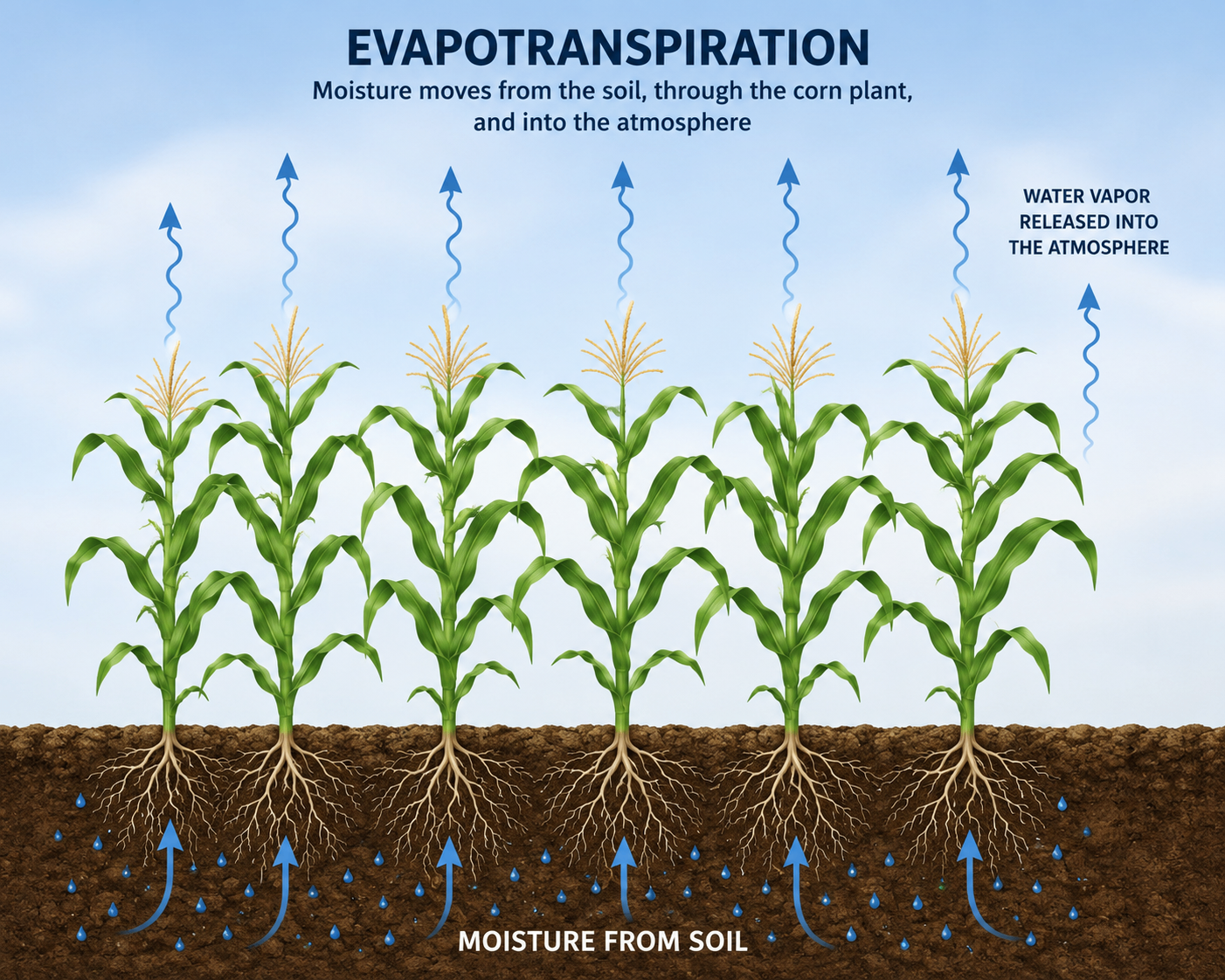
Think of corn plants as giant natural humidifiers. As the roots absorb water from the soil, much of that moisture is eventually released back into the atmosphere through the leaves. Meteorologists often refer to it as "Corn Sweat," but the scientific term is "Evapotranspiration". When millions of acres of corn are doing this at the same time, it can have a measurable impact on our weather.
While "Corn Sweat" has become a popular weather buzzword in recent years, it's a very real process that helps explain why some of Minnesota's hottest days are also its most humid.
When Is Corn Sweat at Its Peak?
In Minnesota, corn sweat isn't significant throughout the entire growing season. It typically reaches its maximum during the Reproductive Stage or when you begin to see "Tasseling" at the top of the corn and lasts for a few weeks after that. This typically occurs from mid-July through the first half of August, depending on planting dates and the weather.
This timing is no coincidence, It also happens to align with
Minnesota's climatologically hottest part of the year
Just after the Summer Solstice, when there is still lots of daytime sunshine
Warm soil temperatures
Peak crop water demand
During this period, healthy corn plants are moving enormous amounts of water from the soil into the atmosphere.
Just How Much Water Does One Acre of Corn Release?
The numbers are impressive. According to the National Weather Service, a single acre of mature corn can release approximately 3,000 to 4,000 gallons of water into the atmosphere every day. Under ideal growing conditions, some studies suggest totals can even exceed that.
To put that into perspective:
3,000 gallons weighs nearly 25,000 pounds of water
That's enough water to fill dozens of large bathtubs every single day
Multiply that by millions of acres across Minnesota, Iowa, Illinois, and surrounding states, and you begin to understand why the Midwest can become incredibly humid.
According to the USDA, Minnesota plants around 8 to nearly 9 million acres of corn each year. 8.55 million acres were planted in 2026, down from the 8.9 million acres in 2025. Even if only a portion of those acres are actively transpiring at peak rates, the amount of water being added to the lower atmosphere is staggering.

Does Corn Sweat Really Increase Dew Points?
Yes, but it's only one piece of the puzzle. The biggest source of summer humidity in Minnesota is still the transport of warm, moisture-rich air northward from the Gulf. However, once that humid air arrives, evapotranspiration from millions of acres of crops can enhance local humidity, often pushing dew points a few degrees higher than they otherwise would be.
This is especially noticeable:
After recent rainfall
During periods of light winds
Beneath stagnant high-pressure systems and prolonged heat waves
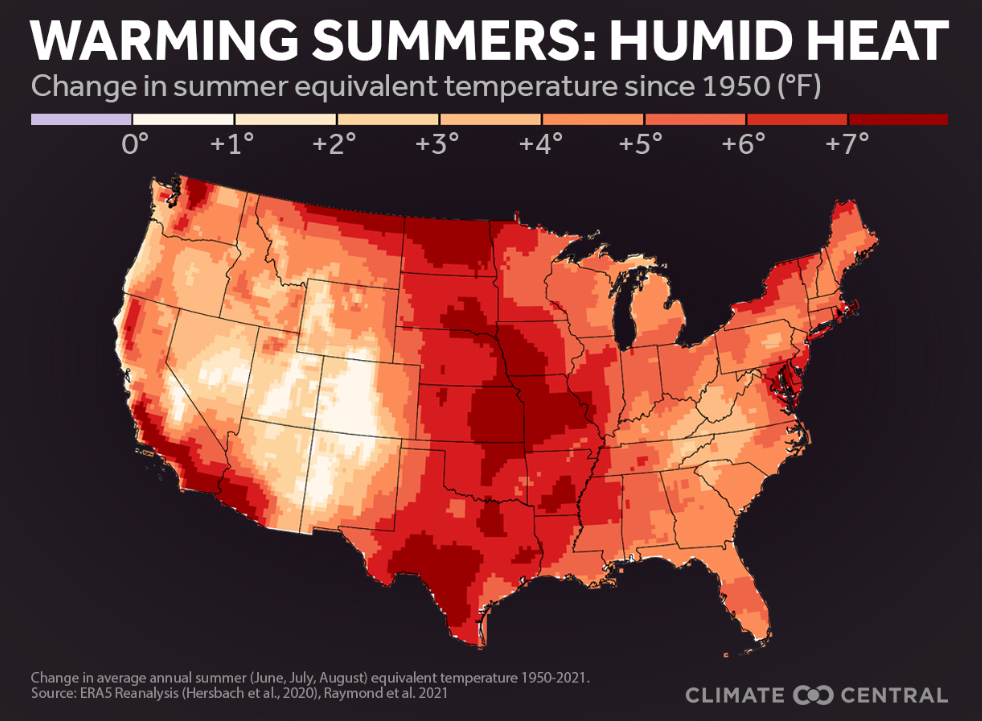
Higher dew points make the atmosphere feel much more oppressive because they reduce the body's ability to cool itself through evaporation. According to Climate Central, Since 1950, summer equivalent temperature has increased three times more than summer air temperature on average across the contiguous U.S. (Climate Central)
Minnesota's Highest Dew Points
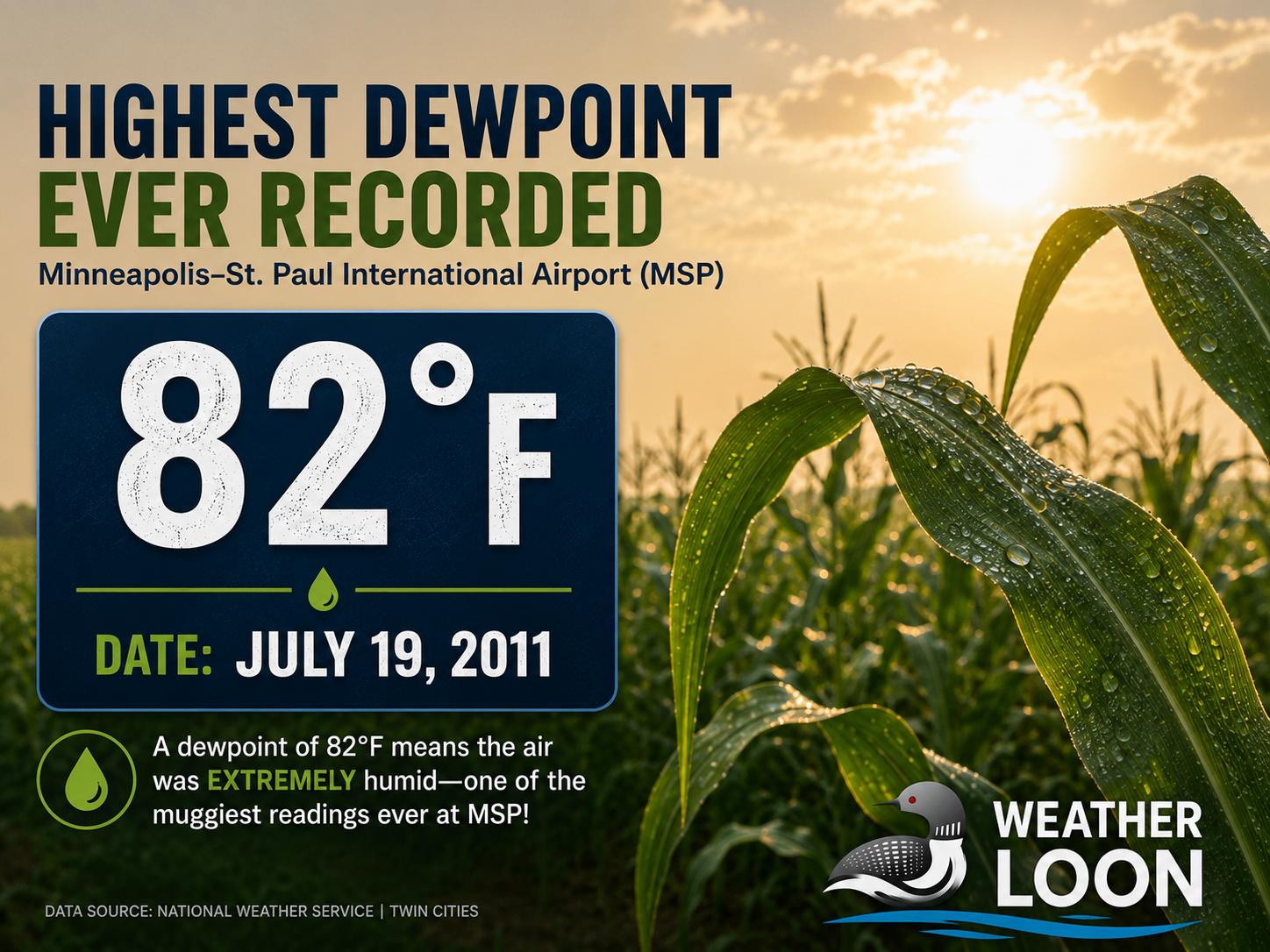
Minnesota has experienced some astonishingly tropical air masses over the years. At Minneapolis–St. Paul International Airport, the highest official dew point ever recorded is: 82°F on July 19, 2011 - At the time, temperatures reached 95°F, producing a heat index near 119°F. (MN DNR) That beat the previous airport record of 81°F, set on July 30, 1999.
Statewide, the all-time Minnesota dew point record is even higher. The official state record is: 88°F at Moorhead on July 19, 2011. (MN DNR)
Dew points in the 60s and low 70s are fairly common during summer months, but anything approaching and into the 80s is exceptionally rare and typically rivals conditions found along the Gulf Coast.
Why High Dew Points Matter
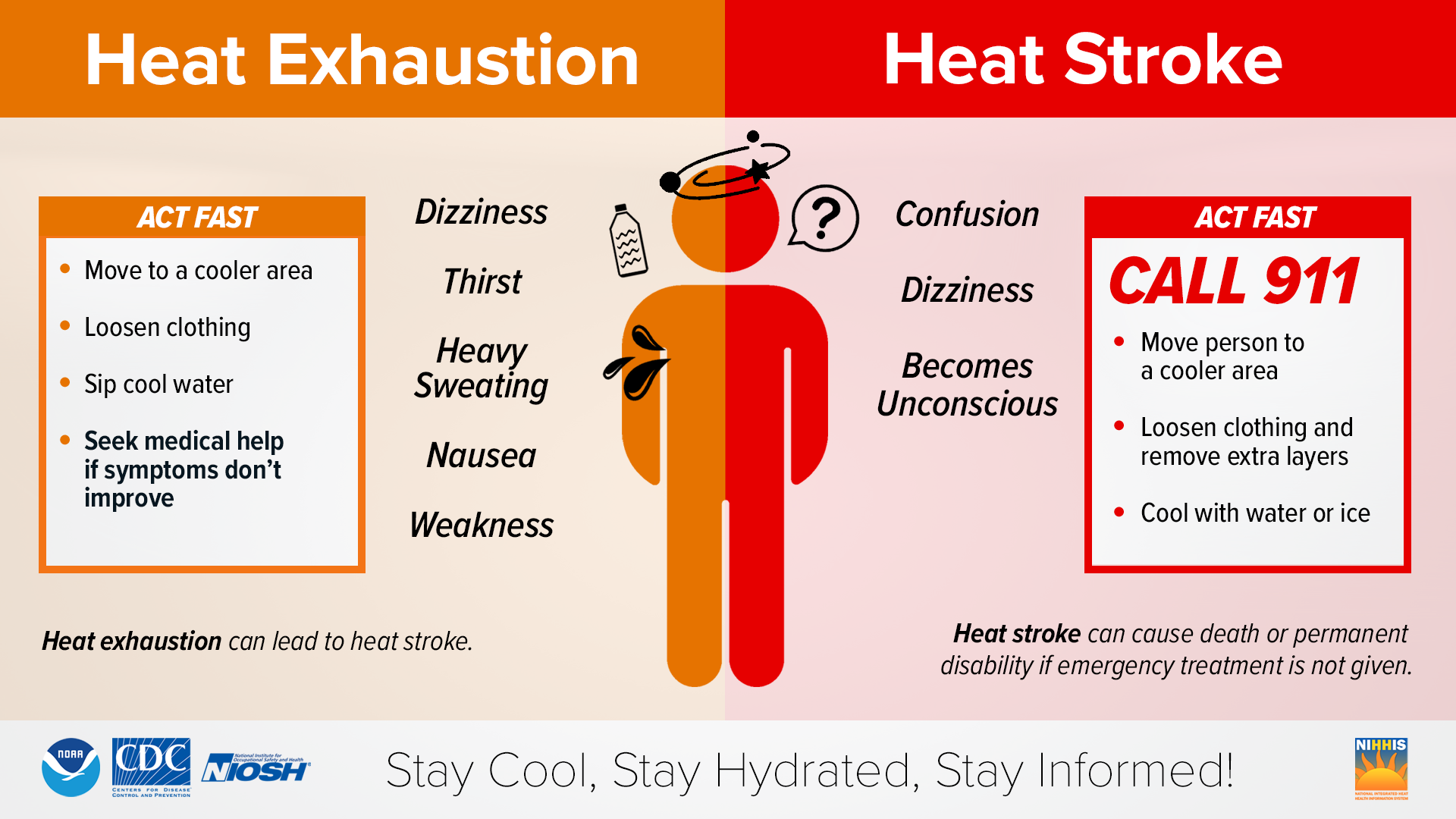
When humidity increases, your body loses one of its most effective cooling mechanisms. Sweat cools us only when it evaporates. As dew points climb, the air becomes increasingly saturated, making evaporation less efficient. That means your body retains more heat, increasing the risk of Heat Exhaustion, Heat Cramps, Heat Stroke, and Dehydration.
That's why a day with an air temperature of 90°F and a dew point of 78°F feels dramatically worse than 90°F with a dew point of 55°F.
More Moisture Also Means More Fuel for Thunderstorms
The same moisture that makes us uncomfortable also helps power thunderstorms. Higher dew points increase the amount of water vapor available in the atmosphere. Since water vapor is the fuel for cloud formation, more moisture often leads to:
Higher atmospheric instability
Greater Convective Available Potential Energy (CAPE)
Stronger thunderstorm updrafts
More intense rainfall
Increased risk of severe weather
Of course, humidity alone doesn't guarantee thunderstorms. Lift, instability, and wind shear must also come together. But when they do, very high dew points can help storms become more vigorous.
Final Forecast
Corn sweat won't create a heat wave on its own, but during Minnesota's hottest stretch of the summer, millions of acres of corn act like a giant natural humidifier, adding tremendous amounts of moisture to the lower atmosphere.
That extra humidity can nudge dew points higher, boost heat index values, increase heat stress, and even provide additional fuel for summertime thunderstorms.
So the next time you're wondering why it suddenly feels like Florida outside, even hundreds of miles from the Gulf Coast, you might have Minnesota's cornfields to thank.
Don't forget to watch the Weather Loon Live Youtube Stream HERE:
You can also get your latest weather information from the Weather Loon Website HERE: