The Dog Days of Summer and Minnesota's Record Heat
The Dog Days of Summer: Why the Hottest Days of the Year Have Nothing to Do with Dogs
From ancient stargazers to Minnesota's all-time heat record, here's the fascinating story behind one of Summer's most famous phrases, "The Dog Days of Summer." While it certainly feels appropriate as temperatures soar and humidity thickens the air, the phrase actually has nothing to do with lazy dogs seeking shade or panting in the heat.
Instead, its origins stretch back thousands of years to one of the brightest stars in the night sky and an ancient belief that it helped make summer even hotter.

Meet Sirius: The "Dog Star"
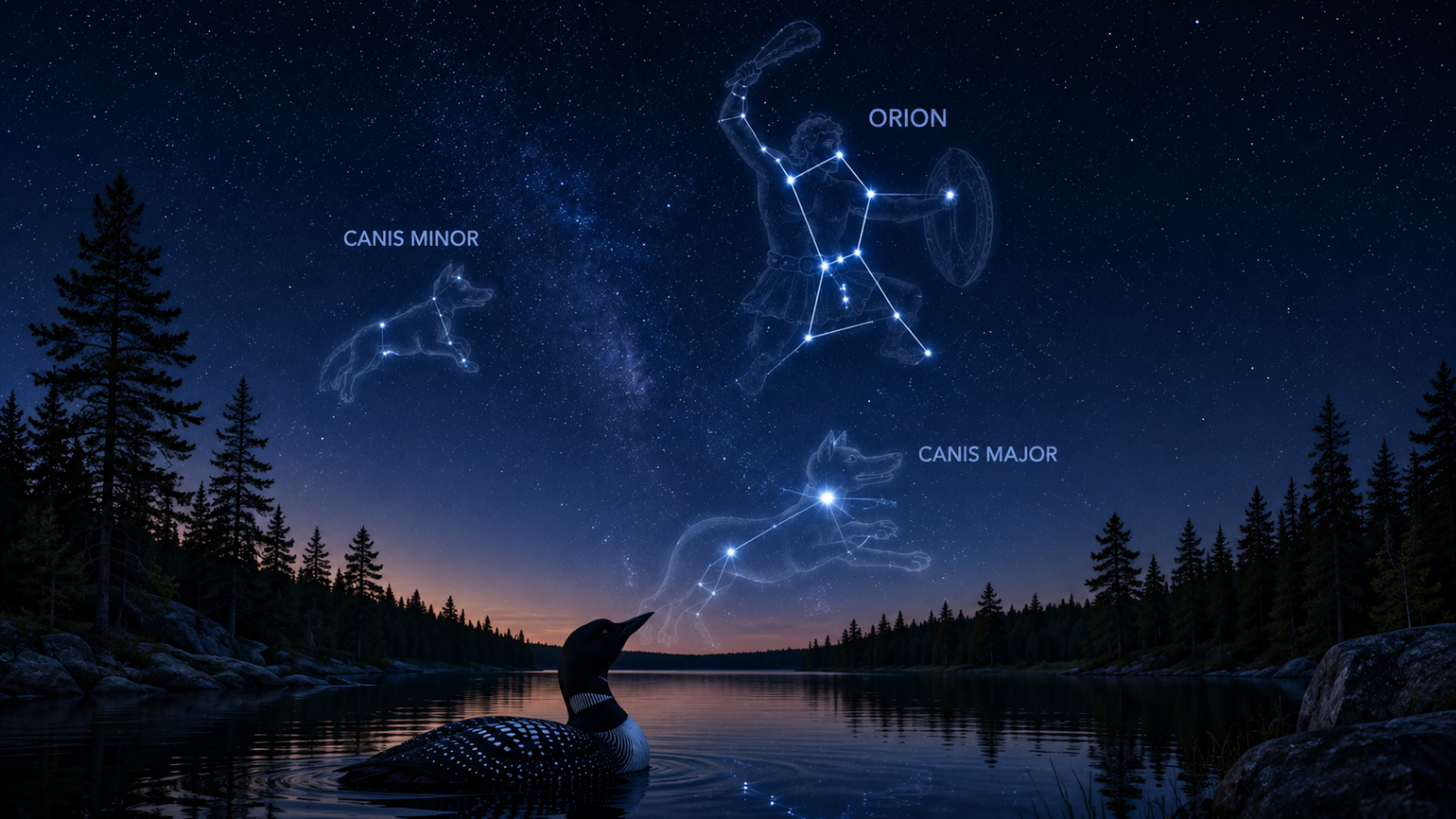
The "Dog Days of Summer" are named after Sirius, the brightest star visible from Earth. Sirius is part of the constellation Canis Major, which means "Greater Dog" in Latin and one of Orion’s two hunting dogs in classical sky lore.
Thousands of years ago, the ancient Greeks, Romans, and Egyptians carefully observed the night sky. They noticed that each year Sirius disappeared from the night sky for a time before making its annual return just before sunrise during the heart of summer. This first appearance, known as its heliacal rising, often coincided with the hottest stretch of the year.
The Greeks called Sirius "Seirios," meaning scorching or glowing. Because Sirius rose alongside the Sun during this period, many believed the star was adding its own heat to Earth's atmosphere.
Although Sirius emits about 25 times more light than the Sun, it sits nearly 8.6 light-years away and more than 50 trillion miles from Earth. Any energy reaching our planet from Sirius is essentially negligible compared to the Sun. Still, the legend endured, and so did the name.
How to Find Sirius
Finding Sirius, the brightest star in the night sky, is easy once you locate Orion. Before sunrise, look toward the eastern horizon and find the three bright stars that make up Orion's Belt. Imagine extending a straight line through the belt down and to the left. The first brilliant, twinkling star you come to is Sirius, also known as the Dog Star. Its exceptional brightness makes it easy to spot, even as the first light of dawn begins to brighten the sky.

Why Is This Usually the Hottest Time of the Year?
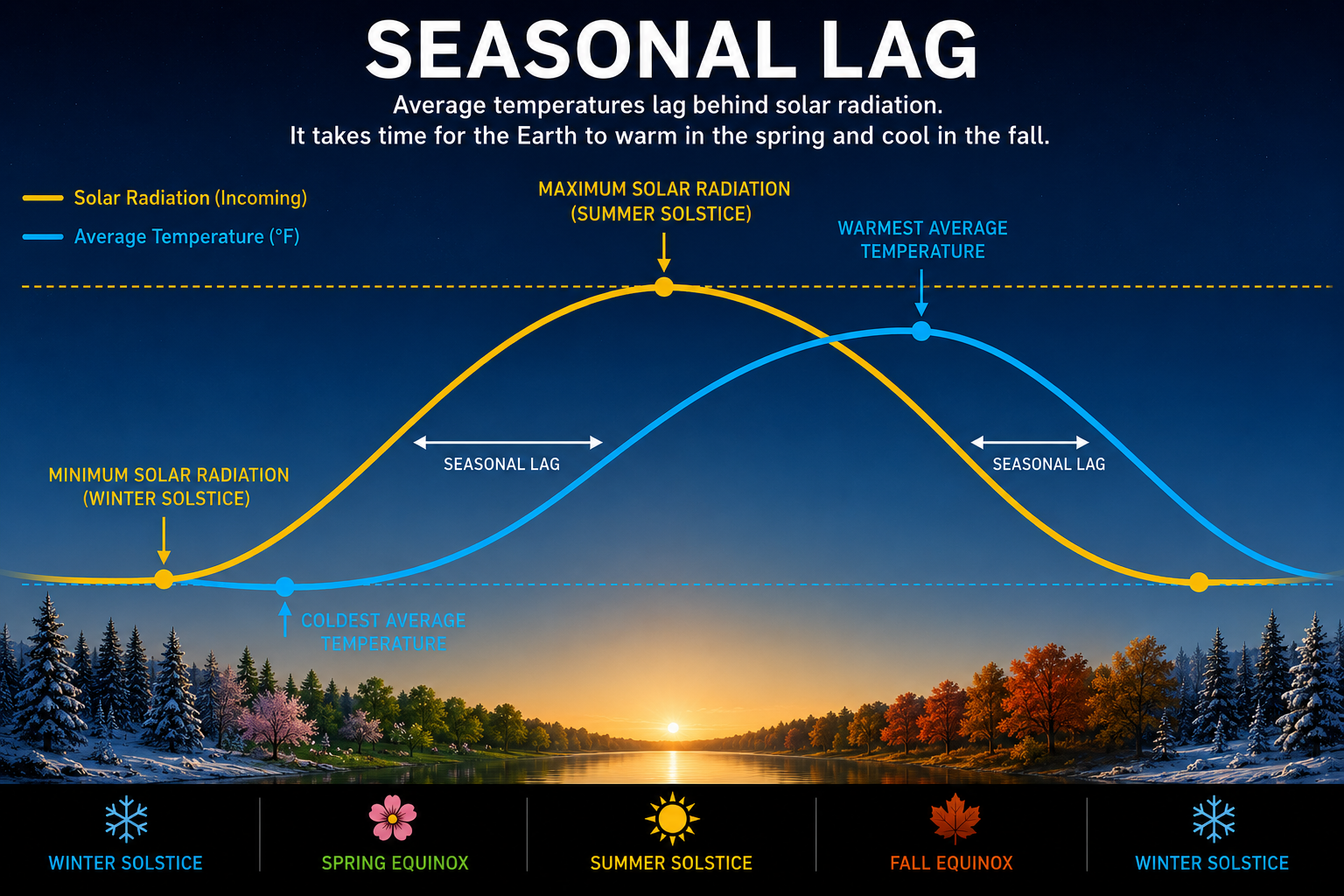
If Sirius isn't responsible for the heat, what is? The answer lies in something meteorologists call Seasonal Lag. Even though the Summer Solstice occurs around June 20-21, the day with the most daylight in the Northern Hemisphere, the Earth's surface doesn't immediately reach its highest temperatures. Instead, the Sun continues delivering more energy than the Earth loses each day, with the land, lakes, and oceans storing that heat. In turn, temperatures continue climbing for several weeks after the solstice.
Think of it like a pot of water on the stove. The burner reaches full power first, but the water continues heating for a while afterward until it boils. Across much of Minnesota and the Upper Midwest, the climatological warmest period typically falls between mid-July and early August, almost perfectly matching the traditional Dog Days of Summer.
Hottest Temperature Ever Recorded in Minneapolis
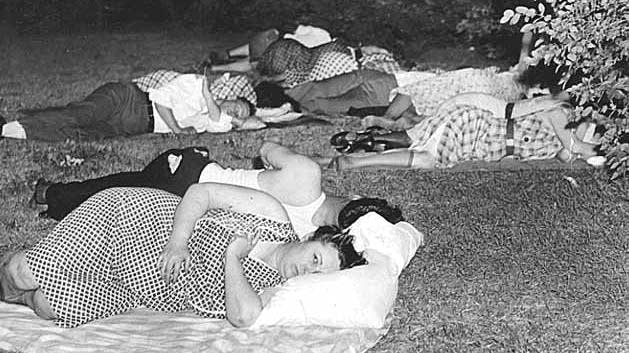
Speaking of scorching weather… Today marks one of the most significant dates in Minnesota weather history. On July 14, 1936, Minneapolis reached 108°F, setting the city's all-time highest temperature ever recorded, a record that still stands nearly 90 years later.
The historic heat occurred during the infamous Dust Bowl Heat Wave of 1936, one of the most extreme weather events ever experienced across North America.
Several factors came together:
Persistent upper-level high pressure ("heat dome")
Dry soils across much of the Plains that allowed temperatures to rise even faster
Intense sunshine
Little relief at night as warm air remained trapped near the surface
The result was several days of relentless, dangerous heat. Across Minnesota, temperatures exceeded 100°F in many communities, while much of the central United States experienced one of its deadliest heat waves on record. Thousands of heat-related deaths occurred nationwide during the summer of 1936.
See more from the Minnesota Climate Office HERE:
The Dog Days Continue
Traditionally, the Dog Days run from July 3 through August 11, although the exact astronomical timing has shifted over the centuries because Earth's rotational axis slowly wobbles in a process called precession. Today, the phrase has become more of a seasonal tradition than a precise astronomical event.
Even though Sirius isn't adding extra heat to our atmosphere, the timing still lines up remarkably well with the warmest stretch of the year across much of the United States.
For Minnesota, it often means the year's hottest afternoons. Warm, humid nights. Peak lake temperatures. Frequent "Ring of Fire" thunderstorm patterns around summertime heat ridges and dangerous heat index values when humidity joins the heat.
Final Thoughts
The Dog Days of Summer remind us that weather and astronomy have been intertwined for thousands of years. Ancient civilizations looked to the stars to explain the world around them. While science has since revealed the true reasons behind summer's hottest weather, the story of Sirius lives on every July.
So the next time someone mentions the Dog Days of Summer, you can tell them the phrase isn't about overheated dogs at all.
It's about a brilliant star, a fascinating piece of ancient history, and a reminder that even today, the sky still shapes the stories we tell about the weather.
Don't Forget to Check out Weather Loon Streaming 24/7 HERE